












Zhou Daxin
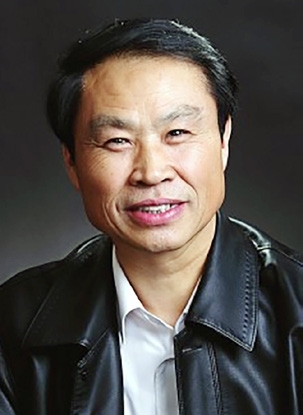
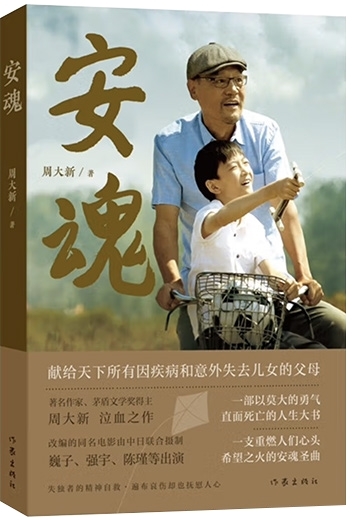
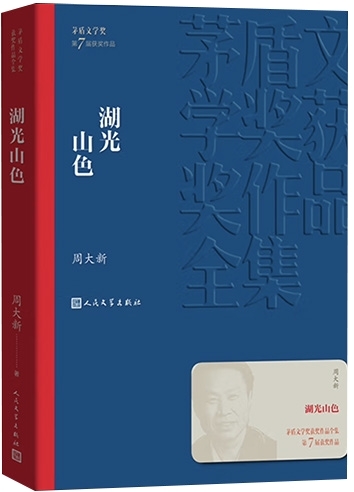
Zhou Daxin, a contemporary writer, writes with the pen name Pudu. He was born in Zhengzhou, Henan Province in 1952. His masterpieces include Lands capes of Lakes and the Mountains (《湖光山色》), Requiem (《安魂》), Out of the Basin (《走出盆地》), etc. Among them, Requiem was adapted into film and released on March 25th, 2022. Most of Zhou Daxin’s works are based on his hometown. He has integrated his rational reflection on the conception, spirit and emotion of the generation who fled the hometown into his plot narration, characterization and symbolic construction of the novel.
“There are many unpredictable things in people’s destiny. Life will not go on as you designed.” The older Zhou Daxin gets, the more he can feel the impermanence of fate. Requiem is a dialogue between father and son. “People have much imagination about their way home, most of which is fear, and fear comes from the unknown.” Zhou Daxin has combined Chinese and Western cultures and constructed a world after death. After finishing this book, his fear of death diminished.
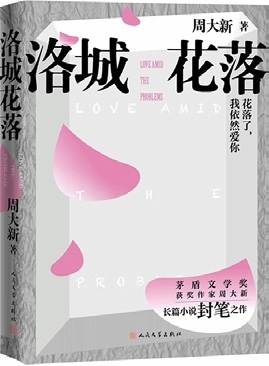
In January 2021, Zhou Daxin announced that he would stop writing novels after his thirteenth novel Love Amid the Problems (《洛城花落》). He responded that writing a long story was so exhausting that he felt like climbing a mountain. Zhou Daxin chose “marriage” as the carrier of the story, wrapping the complex relationship of times, reality and people, and using “family” to present the bizarreness of life.
Liu Zhenyun
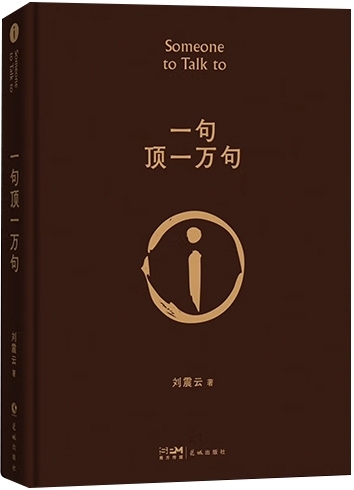
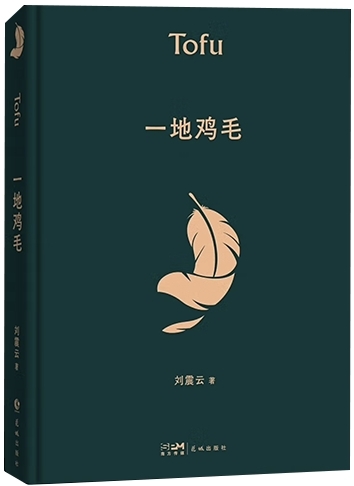
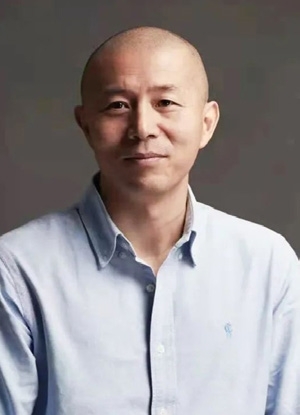
Liu Zhenyun, a writer and scriptwriter, was born in Yanjin, Xinxiang, Henan Province in May 1958. His masterpieces include Laughter and Tears (《一日三秋》), Ground Covered with Chicken Feathers (《一地鸡毛》), and Someone to Talk to (《一句顶万句》). Liu Zhenyun’s style seems simple and unpretentious, but indeed concise and accurate. He depicts all the joys and sorrows of the world in a simple tone. Everyone says that Liu Zhenyun is humorous, but his humor has always been “tears in laughter”.
In Laughter and Tears, Liu Zhenyun interprets the multiple meanings of laughter and tears, with multiple contradictions including paintings in paintings, dreams in dreams and the worlds of gods and ghosts. At the same time, this novel is full of dry humor, philosophy in secular life, and the imagination to break down the barriers of daily life. He used jokes to reveal the seriousness and lightness, instantaneity and eternity of life. There is no need to import the literary concept of “magic realism” from Latin America, and “the reality in my hometown of Yanjin is the existence of magic”. Liu Zhenyun thinks that “If a joke is just a joke, the content of the joke must be limited. Just as the background of the comedy must be tragedy, the background of tragedy must be comedy.”
Bi Feiyu
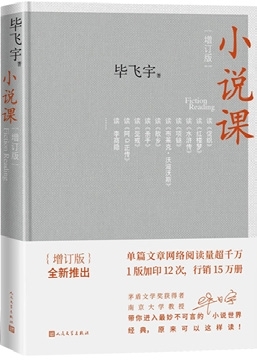
Bi Feiyu was born in Xinghua, Jiangsu Province in 1964. He is a novelist, literary critic, and university professor. His masterpieces include novels Plain (《平原》) and Massage (《推拿》). In recent years, he has published a collection of literary criticism and the novellas Yumi (《玉米》) (published by People’s Literature Publishing House). From the avant-garde who focused on experimental style to that of realism, he kept crossing literary boundaries and never settled down. But behind the changes, what remains unchanged is his profound reflection on the power of those innocent lives in this country for thousands of years.
Bi Feiyu believes that writers with personalities should be loyal to their own hearts, firmly grasp their own problems and improve their works step by step. Writers should restore their imagination to reality as much as possible, he said, “Details writing requires writers to work hard. Readers yearn for novels with solid experience, regular imagination and rich content.” “I try to make the text simple. I don’t want myself to get into the work too easily. At the same time, when I go back to read, I don’t want to have some impediments.”
When it comes to the state of literary creation, he said that he is more willing to put his attitude on an equal status with readers, and he is eager to present a middle-aged air, which makes people feel reliable and perceive his internal strength.
Liang Xiaosheng
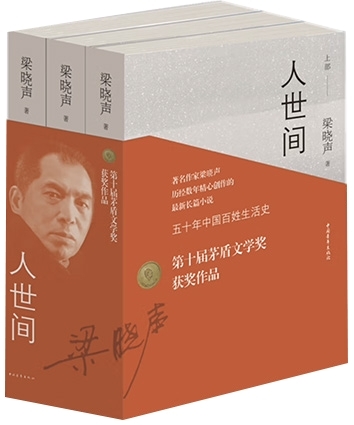
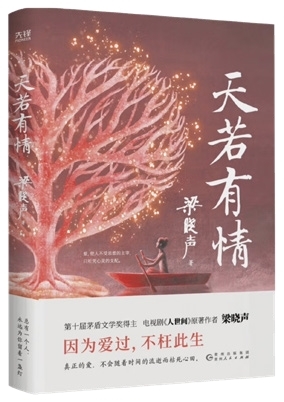
Liang Xiaosheng, a famous contemporary writer in China and a member of the China Writers Association, was born in Harbin, Heilongjiang Province on September 22, 1949. His masterpieces include Fathers and Sons (《父父子子》), In the World (《人世间》), If Heaven has Feelings (《天若有情》), etc. On August 16th, 2019, he won the 10th Mao Dun Literature Prize for his work In the World. Liang Xiaosheng’s writing style can be summarized as follows: the heroic style of realism, the civilian style of realism and the allegorical style of realism.
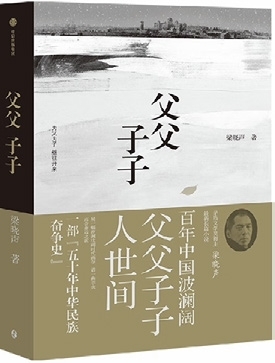
Fathers and Sons is Liang Xiaosheng’s bold exploration after he was 70 years old. In his view, it is the high time that people united the patriotic feelings and he hopes that Fathers and Sons can arouse readers’ patriotism. “Only when we really go back to history and observe it, could we find that there are so many outstanding Chinese who stand up and make great sacrifices at the critical moment of our country. When looking back, a kind of respect for our ancestors will arise spontaneously. Only when this respect is produced, can we correct our position in this society and know ourselves correctly.”
Li Er
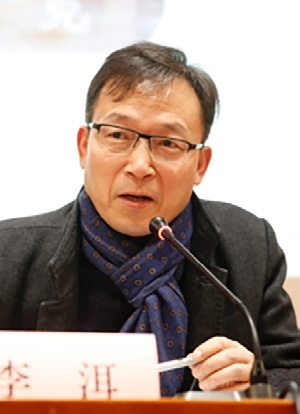
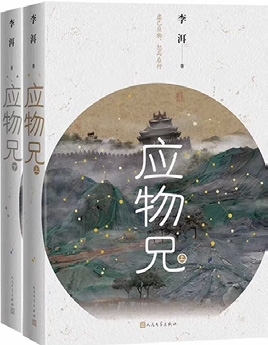
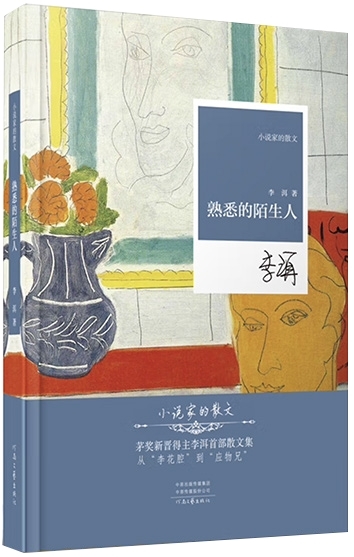
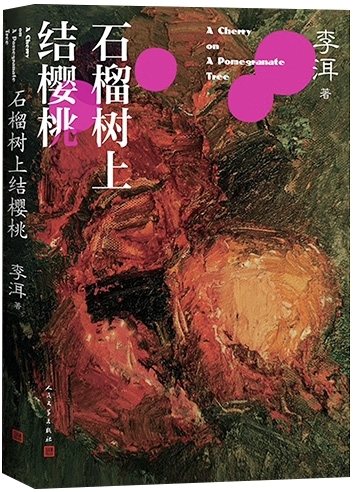
Li Er, was born in Jiyuan, Henan Province in 1966. His representative works include Brother Yingwu (《应物兄》), The Familiar Stranger (《熟悉的陌生人》), Coloratura (《花腔》), Cherries on Pomegranate Tree (《石榴树上结樱桃》) and so on. Jing Wendong, a professor and critic at Minzu University of China, believes that Li Er’s language is extremely wonderful. “His language is the language of a gentleman, and is as gentle as jade.”
It took Li Er 13 years to write Brother Yingwu. He wrote more than 2 million words and damaged three computers. This book shows the life experience and spiritual track of intellectuals for more than 30 years. Through dialogues, speeches, discussions, writings, memories, associations, and citations of hundreds of Chinese and foreign ancient and modern books, this book is an all-encompassing and encyclopedic novel. Li Er said that this 800,000-word book is about how a person deals with different people in his era. Looking back on the 13-year’s writing, Li Er said that such a long time was not a glorious thing for writers. “This may show that Li Er's intelligence is only moderate”, he said of himself, “so the novel will take 13 years to write. But it also shows that I am a serious writer, willing to be responsible for the words and the fate of the characters in my works.”